What to see · Updated 24 July 2026
Topkapı Palace, room by room.
Topkapı is a big site, and the map you get with your ticket is not much help. This is the walking route we recommend: gate, courtyard, kitchens, Harem, Treasury, Sacred Relics, Fourth Courtyard — in that order. Allow at least three hours.
Courtyards
4
Rooms open
~90
İznik tiles
20,000+
Treasury items
~65,000
Stop 01
The Imperial Gate (Bab-ı Hümâyun)
The monumental outer gate, dated 1478 by an inscription in the tympanum. Note the empty niches on either side — during the imperial era they held the heads of executed traitors as public warnings.
Stop 02
First Courtyard (Alay Meydanı)
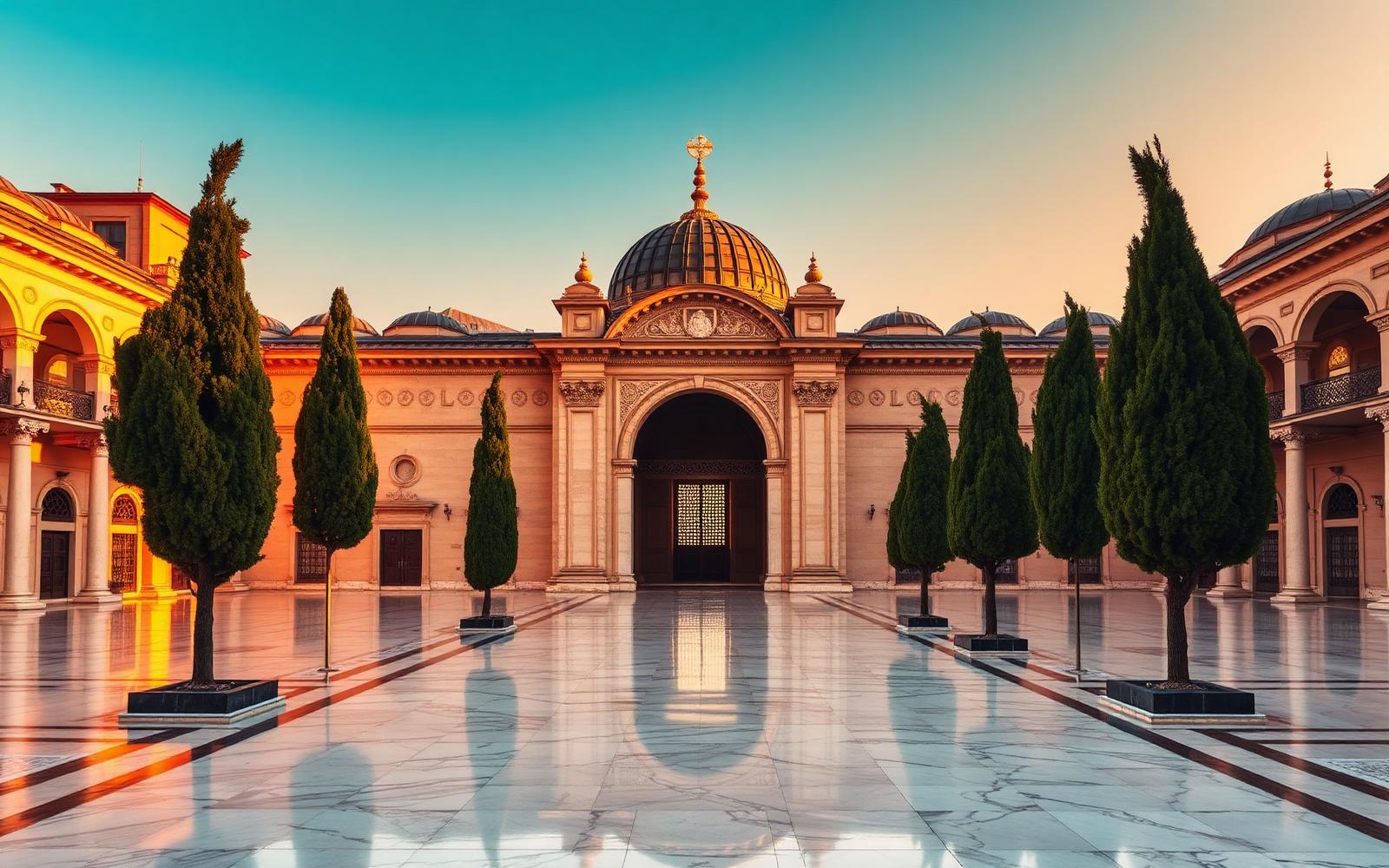
A public courtyard, essentially a large park with cypresses and the Byzantine-era Hagia Irene. It was the only part of the palace commoners could enter.
Stop 03
The Middle Gate (Bab-üs Selâm)
Only the sultan could ride through this gate; everyone else dismounted. The twin conical towers date to Suleiman the Magnificent's reign. Security screening is immediately after.
Stop 04
The Imperial Council (Divan-ı Hümâyun)
The grand vizier and viziers met here four days a week. A latticed window high on the wall let the sultan listen in unseen — the origin of the phrase 'the eye of the sultan'.
Stop 05
The Palace Kitchens
Ten cavernous kitchens designed by Sinan after the 1574 fire. They fed up to 5,000 people daily and now display the palace's ceremonial porcelain, including one of the world's finest collections of Chinese celadon and Ming blue-and-white.
Stop 06
The Harem
A separately ticketed complex of around 400 rooms. Highlights are the Courtyard of the Concubines, the Imperial Hall (the sultan's throne room within the Harem), the Twin Kiosk (private apartments of the crown prince) and the tiled corridors known as the Golden Road.
Stop 07
The Imperial Treasury (Hazine)
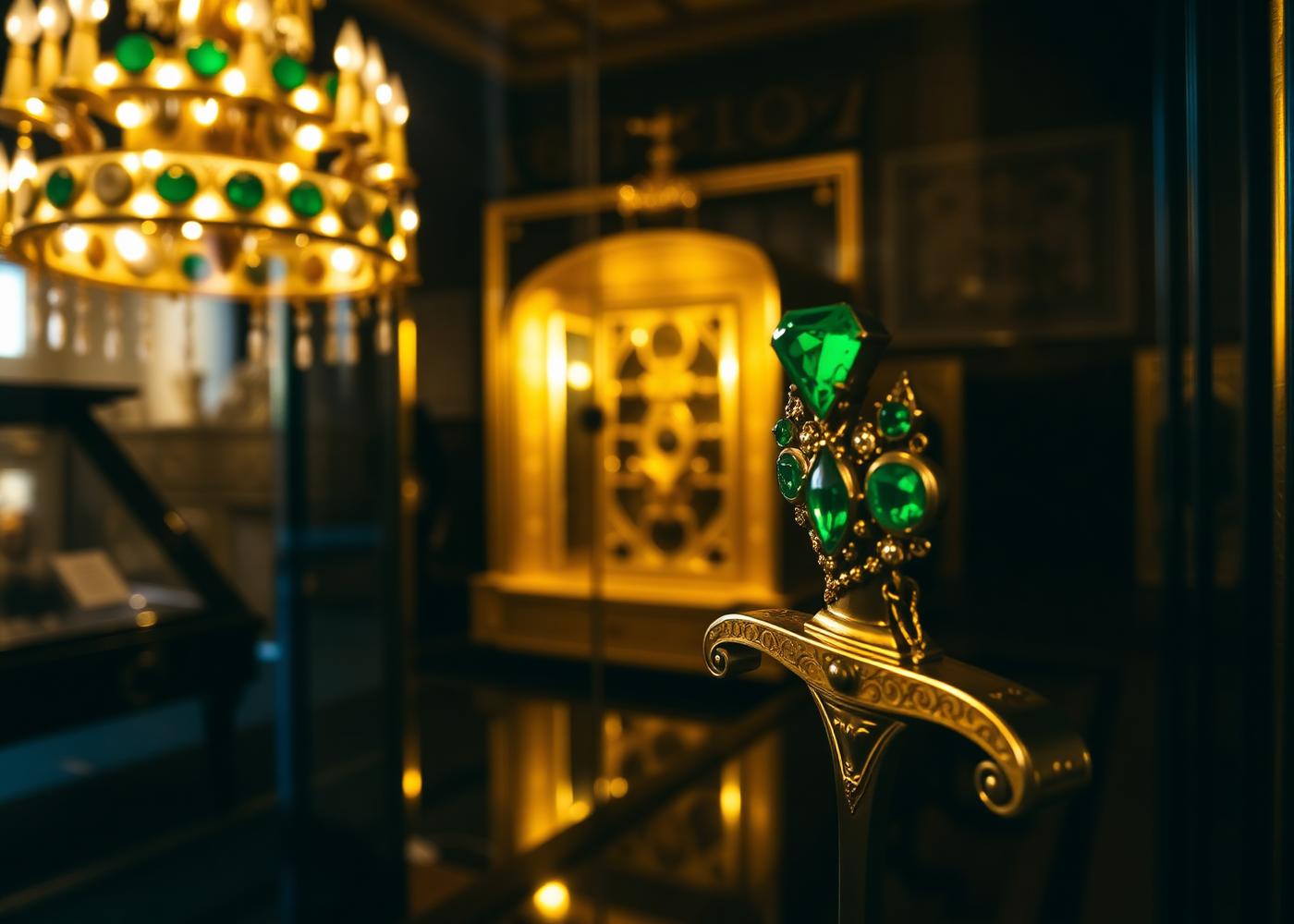
Four rooms of the sultan's personal collection: the ~86-carat Kaşıkçı (Spoonmaker's) Diamond, the emerald-and-gold Topkapı Dagger from 1747, jewelled armour, and a walnut-and-mother-of-pearl throne from the 16th century.
Stop 08
The Chamber of the Holy Relics
Objects associated with the Prophet Muhammad and earlier prophets — the Mantle of the Prophet (Hırka-i Şerif), his standard, a sword, a footprint impression and the staff of Moses. Continuous Qur'anic recitation, respectful silence required.
Stop 09
The Baghdad Kiosk
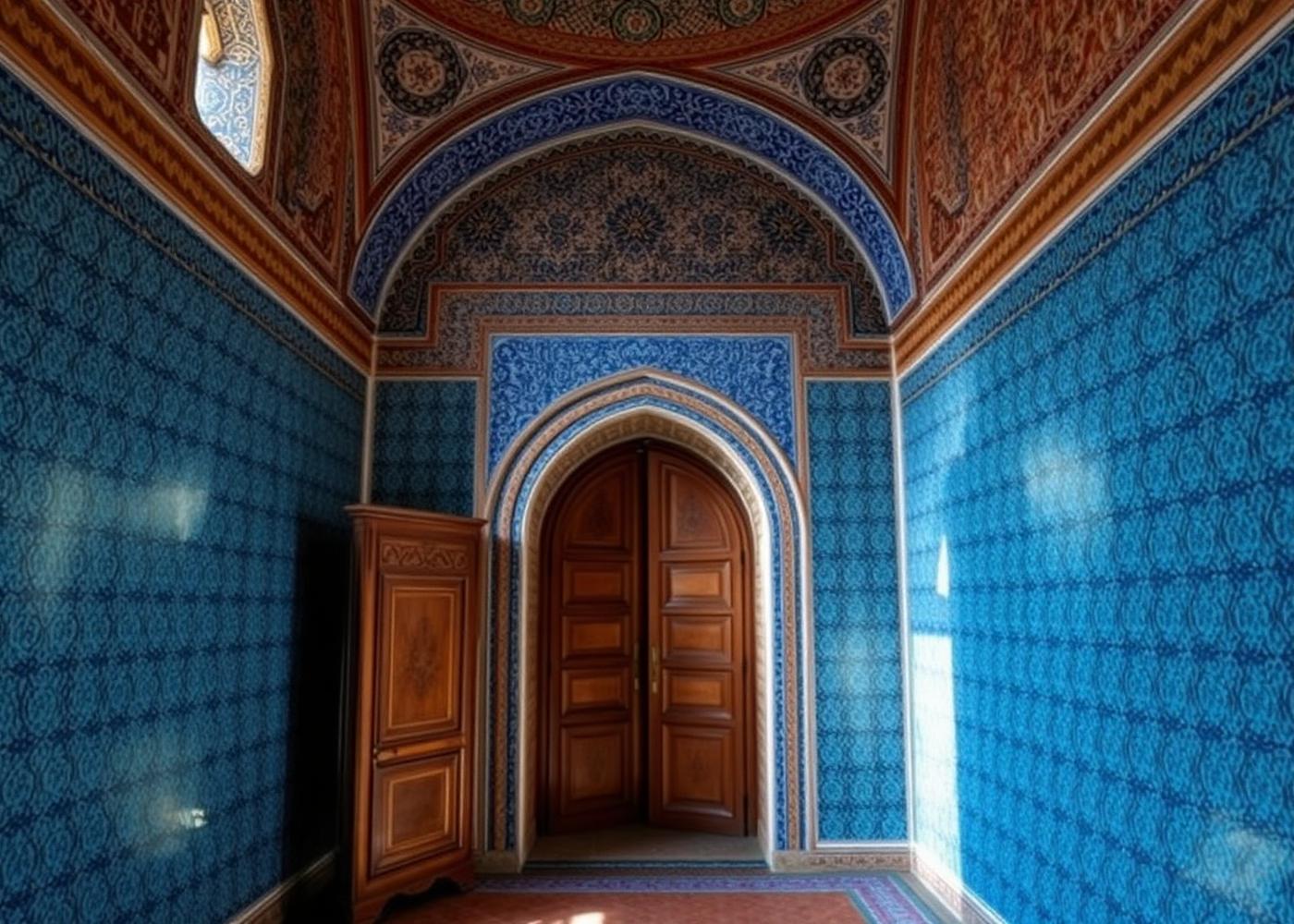
Built by Murad IV in 1639 to commemorate his conquest of Baghdad. A domed pavilion faced entirely in İznik tiles, with the best-preserved 17th-century tile interior on the site.
Stop 10
The Revan Kiosk
Murad IV's earlier trophy pavilion (1636), marking the capture of Yerevan. Smaller and more intimate than the Baghdad Kiosk.
Stop 11
The Iftar Kiosk (Sofa-i Hümayun)
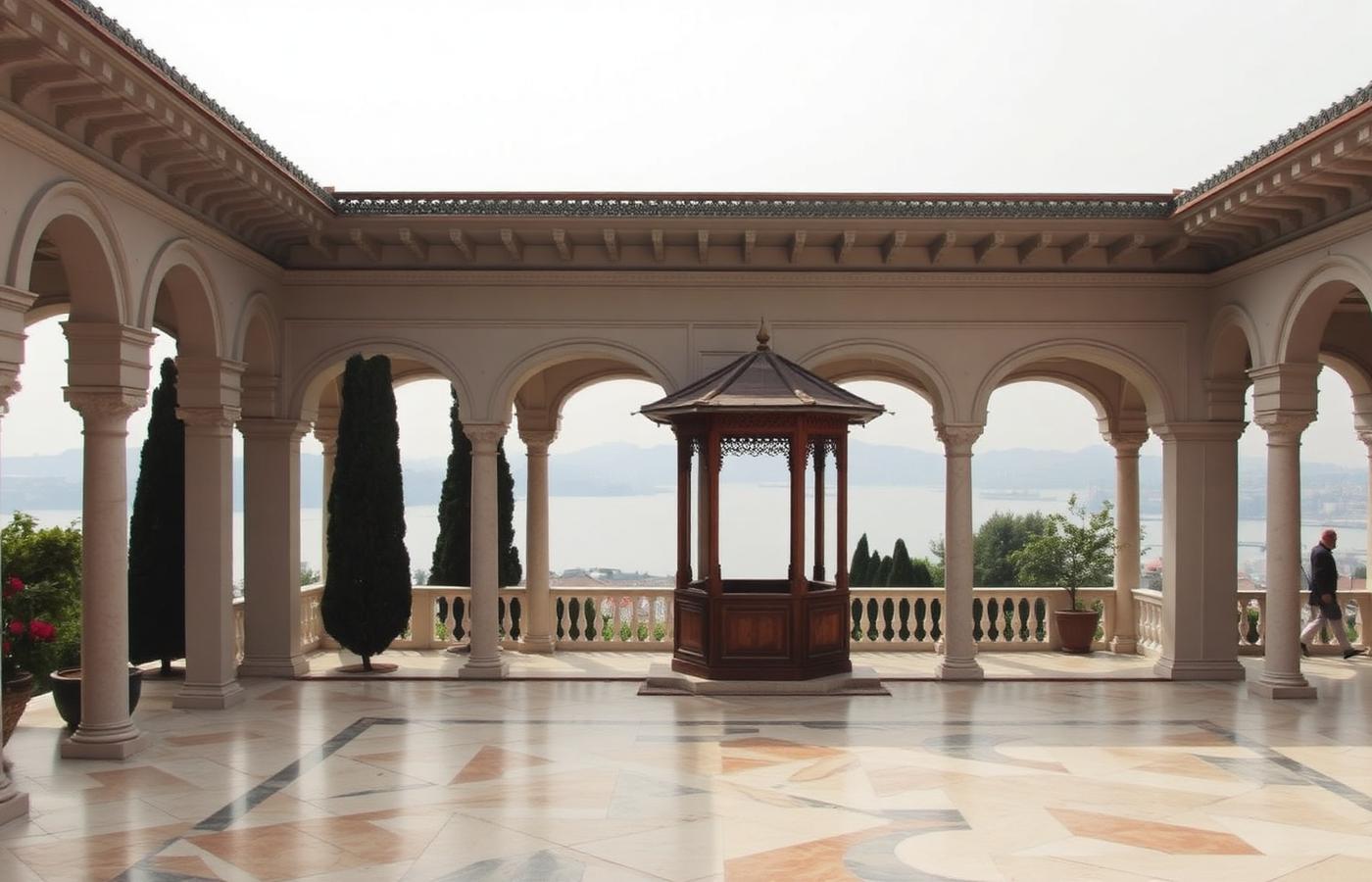
A gilded canopy on the Fourth Courtyard terrace, added in 1640, from which the sultan broke his Ramadan fast facing the Bosphorus.
Frequently asked
What is the most impressive room in Topkapı Palace?
For most first-time visitors, the Imperial Treasury (Hazine) is the single most impressive room — it houses the emerald-set Topkapı Dagger and the Spoonmaker's Diamond, an 86-carat pear-shaped brilliant. Regulars often pick the Baghdad Kiosk for its İznik-tile interior and Bosphorus view.
Which parts of Topkapı Palace are usually closed?
Individual rooms rotate through conservation. As of July 2026, the Circumcision Room and parts of the Imperial Council are behind screens. The main courtyards, Harem, Treasury, Sacred Relics Chamber and the Fourth Courtyard kiosks are all open.
Continue: Topkapı in one day, the Harem ticket guide, or our history page.