Comparison · 24 July 2026 · 12 min read
Topkapı vs Dolmabahçe: which palace should you visit?
By the topkapipalace.co editorial team · reviewed by an Istanbul-based Ottoman historian
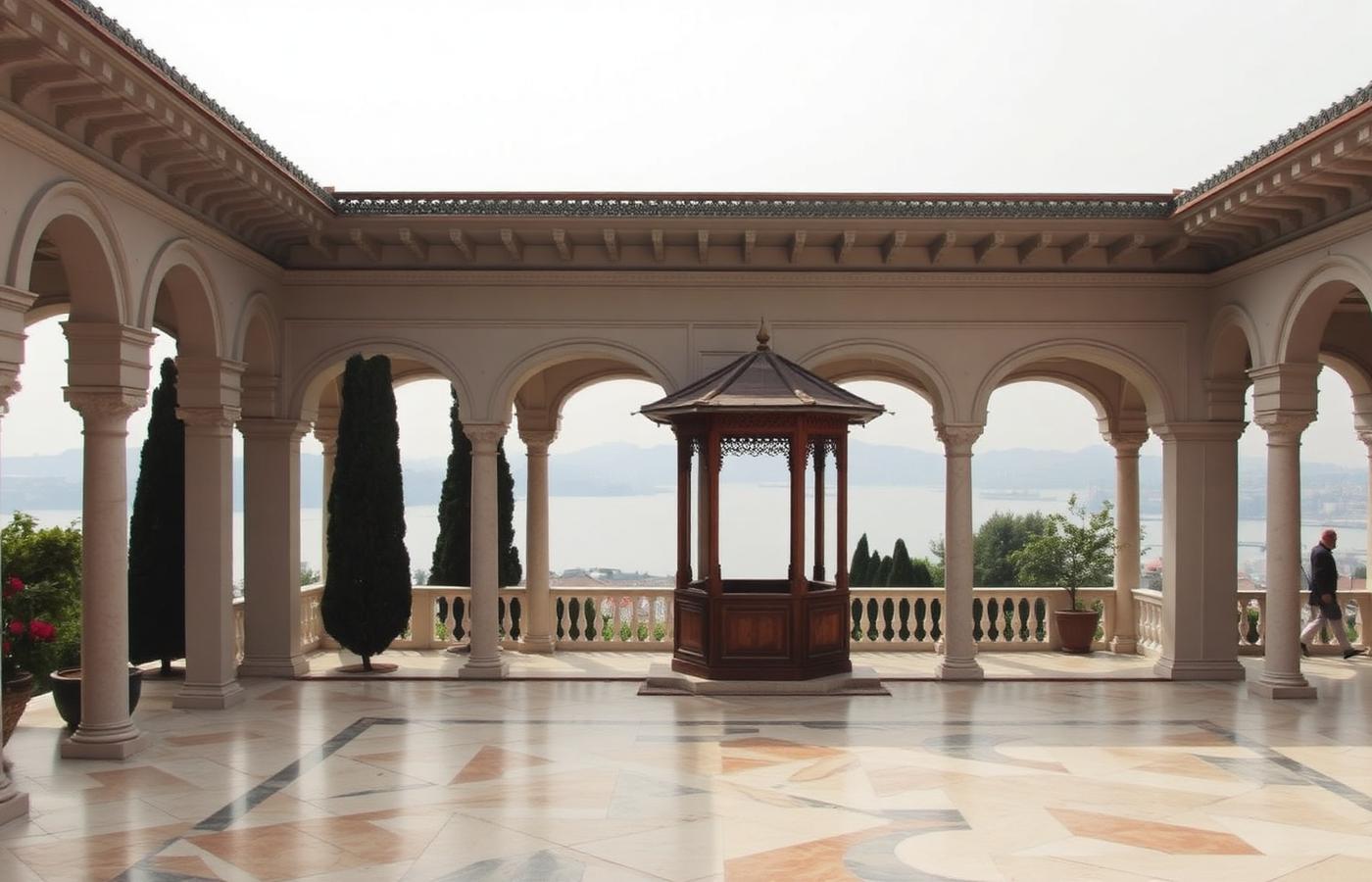
Istanbul has two great Ottoman palaces open to the public: Topkapı Sarayı, the fifteenth-century seat of the sultans, and Dolmabahçe Sarayı, the nineteenth-century European-style replacement on the Bosphorus. They are separated by 400 years and about four kilometres. Most first-time visitors have time for one. This is how we think about the choice.
The one-line difference
Topkapı is a walled Ottoman court — courtyards, kiosks, tiles, the machinery of an Islamic empire on display. Dolmabahçe is a French neoclassical palace by the water, the residence of a self-consciously modernising Ottoman state, and — famously — the room where Atatürk died. If you want to understand why Istanbul is not a European city, go to Topkapı. If you want to see how the late Ottomans tried to make it one, go to Dolmabahçe.
Side-by-side comparison
| Topkapı | Dolmabahçe | |
|---|---|---|
| Built | 1460 – 1478 (core) | 1843 – 1856 |
| Style | Ottoman classical, courtyards | Neoclassical / baroque revival |
| Location | Sultanahmet, historic peninsula | Beşiktaş, Bosphorus shore |
| Ticket (foreign, 2026) | £47 + £20 Harem | £52 (all-inclusive) |
| Time needed | 3 – 4 hours | 2 hours (guided-only) |
| Best for | Tile, jewels, history | Chandeliers, mirrors, ballrooms |
| Photography | Most rooms yes | Interiors: no |
| Closed day | Tuesday | Monday |
| Crowds | Heavy 11:00 – 13:00 | Timed guided tours, calmer |
Where Topkapı wins
- Depth of history. Four centuries of Ottoman power all in one place. Dolmabahçe covers 70 years.
- Objects you can’t see anywhere else. The Sacred Relics, the Topkapı Dagger, the Spoonmaker’s Diamond, the largest Chinese porcelain collection outside East Asia.
- Views. The Fourth Courtyard terrace is the single best Bosphorus view accessible on foot from Sultanahmet.
- Photography. Almost every room is camera-friendly, unlike Dolmabahçe’s strict no-photo policy indoors.
Where Dolmabahçe wins
- Sheer spectacle. The 4.5-tonne Bohemian crystal chandelier in the Ceremonial Hall — a gift from Queen Victoria — is impossible not to gawp at.
- Weather-proof. Almost entirely indoors, which matters on a wet Istanbul day; Topkapı is largely walked in the open.
- Atatürk’s room. The clocks in the palace are stopped at 09:05, the moment of Mustafa Kemal Atatürk’s death on 10 November 1938. For anyone interested in the Republic, this room is arresting.
- Structure. Timed guided groups mean you cannot get lost or overwhelmed. It is a well-produced two-hour experience.
Can you do both in a day?
Physically yes, but we’d advise against it. Topkapı fills a morning to lunchtime; Dolmabahçe swallows an afternoon; the crossing between them (T1 tram to Kabataş, then a short walk) eats another 40 minutes and you’ll arrive at Dolmabahçe tired, having already looked at more Ottoman decoration than the brain politely absorbs. Split them across two days if you can.
Our recommendation
For a first Istanbul trip of three or four days, we’d always send you to Topkapı first. It is the older, deeper, stranger building — the one that actually explains the city you are standing in. Add Dolmabahçe on a second visit or if you have a specific interest in the Ottoman-modern moment, the Atatürk era, or grand European interiors. Skip Dolmabahçe altogether if you are already going to Versailles later in the year; the architectural vocabulary will not surprise you.
Related reading: history of Topkapı, the one-day walking route, and current ticket prices.